

Beyond Sightseeing: A Spiritual Journey Through India’s Culture, Heritage, and Self-Discovery.
India is more than just a destination known for its beautiful landscapes, historic monuments, and famous tourist attractions. In fact, it is a land of ancient traditions, diverse cultures, sacred places, and spiritual practices that have been followed for thousands of years. For travellers seeking something deeper than a conventional holiday, a spiritual journey in India offers an opportunity not only to explore the country’s rich heritage but also to discover new perspectives on life, culture, and personal well-being.
Moreover, from experiencing traditional rituals to exploring peaceful spiritual destinations, visitors can connect with India’s cultural roots in meaningful ways. As a result, the journey becomes more than a holiday; it becomes an opportunity for learning, reflection and personal discovery.
From witnessing the peaceful morning rituals along the River Ganges in Varanasi to experiencing meditation in the Himalayan surroundings of Rishikesh, India offers countless opportunities to slow down, reflect, and connect with something meaningful.
Whether you are interested in yoga, meditation, Buddhist heritage, traditional beliefs, or cultural exploration, spiritual tourism in India allows you to experience the country from a different perspective. For example, you can explore ancient temples, participate in traditional ceremonies, or discover peaceful destinations that reflect India’s rich spiritual heritage.
Moreover, with thoughtful planning and the right guidance, your journey can become much more than ordinary sightseeing. Instead, it can offer opportunities to connect with local communities, understand different cultural traditions, and create meaningful memories. Ultimately, these experiences can make your time in India more enriching and memorable.
Why India Is a Unique Destination for a Spiritual Journey
India has a long and diverse spiritual history. In fact, it is the birthplace of several major religious and philosophical traditions, including Hinduism, Buddhism, Jainism, and Sikhism. Additionally, the country is home to other religious heritage sites, reflecting its rich cultural diversity.
Across the country, ancient temples, monasteries, gurudwaras, and meditation centres represent different beliefs and ways of life. Moreover, many of these places continue to serve as active centres of worship, learning and community gatherings, allowing visitors to experience their traditions beyond historical monuments.
What makes India special for spiritual travellers, therefore, is the opportunity to experience these diverse traditions as part of everyday life. For example, visitors can observe religious ceremonies, explore sacred sites and learn about local customs. As a result, they gain a deeper understanding of India’s spiritual heritage and cultural identity.
For example, you may see people offering prayers beside a river, monks studying in monasteries, visitors practising yoga at sunrise, or families participating in traditional festivals. Through these everyday experiences, travellers can gain a deeper understanding of India’s culture and the important role spirituality plays in daily life.
Furthermore, for international visitors, exploring these traditions can provide a fresh perspective on faith, history, community, and human connection. As a result, the journey becomes an opportunity not only to discover new places but also to appreciate the cultural values and traditions that make India unique.
Explore India’s Sacred Destinations and Their Stories
One of the most meaningful ways to experience spiritual tourism in India is by visiting places that hold historical, religious, and cultural significance. This is because each destination offers a unique connection to India’s rich spiritual heritage and traditional way of life.
Moreover, every destination has its own story, traditions, and atmosphere. For this reason, exploring these places with a better understanding of their history and cultural background can make your journey more rewarding. As a result, you can appreciate not only the beauty of these destinations but also their deeper spiritual and historical importance.
Varanasi – Experience the Spiritual Heart of India
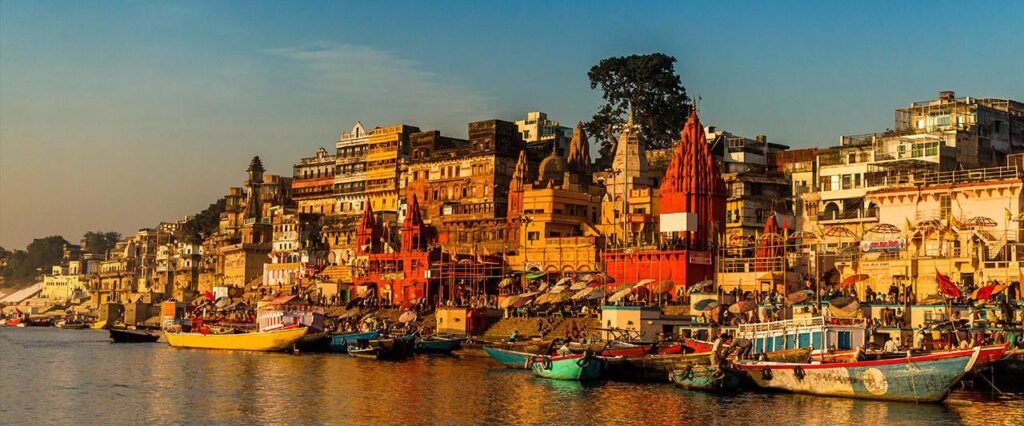
Varanasi, also known as Kashi or Banaras, is one of India’s most renowned spiritual destinations. Located on the banks of the River Ganges in Uttar Pradesh, the city is widely recognised for its ancient temples, sacred ghats and centuries-old traditions. Moreover, its deep spiritual significance attracts pilgrims and international travellers throughout the year.
One of the most memorable experiences for visitors, for example, is witnessing the Ganga Aarti at Dashashwamedh Ghat. During this evening ceremony, priests perform traditional rituals with large lamps, accompanied by devotional music, bells, and prayers. As a result, the riverfront becomes a beautiful setting where visitors can observe the city’s spiritual traditions and cultural heritage.
Other experiences include:
- Taking an early morning boat ride along the River Ganges.
- Exploring the historic ghats and narrow streets of the old city.
- Visiting the famous Kashi Vishwanath Temple.
- Learning about local traditions, crafts, and cultural heritage.
- Experiencing the peaceful atmosphere of sunrise along the river.
Varanasi offers an opportunity to understand how spirituality, culture, and everyday life are closely connected in India.
Bodh Gaya – Discover the Buddhist Heritage of India
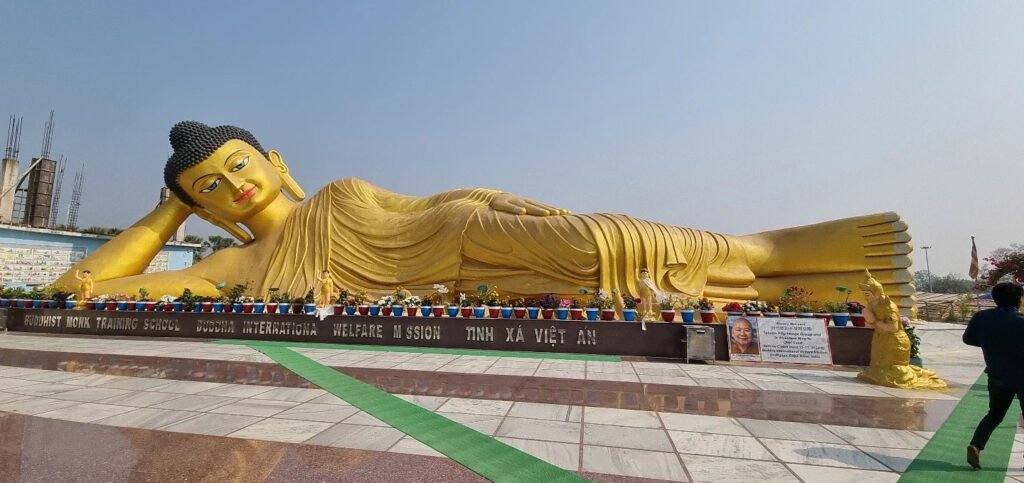
Bodh Gaya, located in Bihar, is one of the most important Buddhist pilgrimage destinations in the world. In fact, it is traditionally recognised as the place where Gautama Buddha attained enlightenment beneath the Bodhi Tree, making it a significant destination for Buddhist followers and spiritual travellers.
At the heart of this destination lies the Mahabodhi Temple Complex, a UNESCO World Heritage Site that holds great religious and historical importance. Moreover, its peaceful surroundings make it an important place for prayer, meditation and reflection.
For this reason, visitors from different parts of the world travel to Bodh Gaya to meditate, offer prayers, and learn about Buddhist philosophy. Through these experiences, travellers can develop a deeper understanding of Buddha’s teachings and India’s rich Buddhist heritage.
Important experiences include:
- Visiting the Mahabodhi Temple.
- Spending quiet time near the sacred Bodhi Tree.
- Exploring international monasteries built by Buddhist communities.
- Understanding the life and teachings of Gautama Buddha.
- Experiencing the peaceful environment of Buddhist prayer and meditation.
For anyone interested in Buddhist tourism in India, Bodh Gaya offers an important connection to the history and teachings of Buddhism.
Rishikesh – Discover Yoga, Meditation and Himalayan Serenity
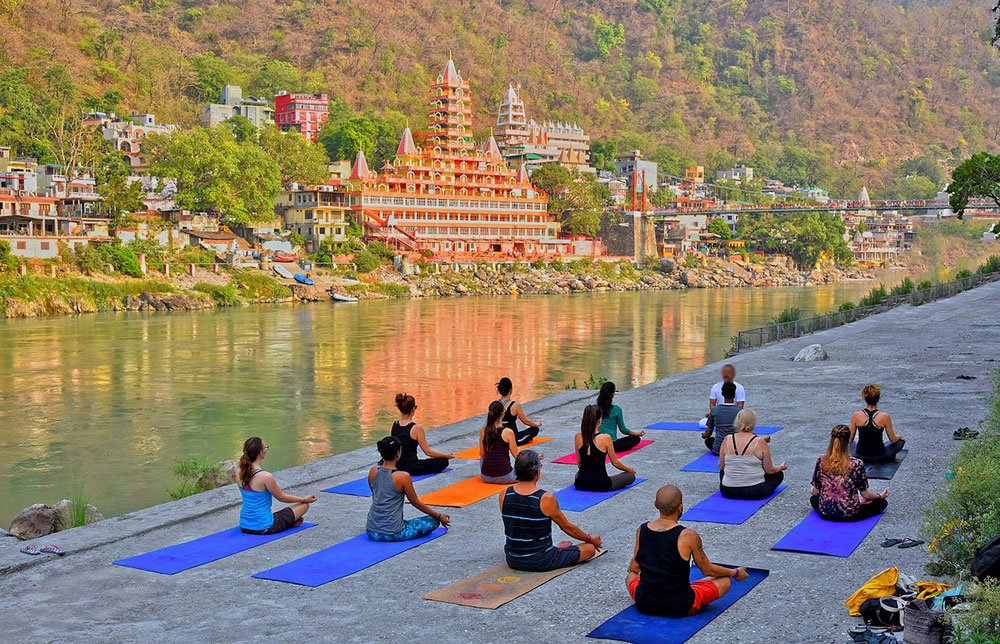
Surrounded by the foothills of the Himalayas and situated along the River Ganges, Rishikesh is internationally recognised for yoga, meditation and spiritual learning.
People from across the world visit this destination to explore traditional yoga practices, attend meditation sessions and experience the peaceful atmosphere of its ashrams.
Some of the experiences worth exploring include:
- Participating in yoga sessions with qualified instructors.
- Learning basic meditation techniques.
- Visiting traditional ashrams and spiritual centres.
- Walking across the famous Ram Jhula and Lakshman Jhula areas.
- Attending the evening Ganga Aarti at Triveni Ghat.
- Exploring the natural beauty of the surrounding Himalayan region.
Whether you are new to yoga or already interested in meditation, Rishikesh provides an opportunity to learn about India’s traditional wellness practices.
Haridwar – Experience India’s Sacred River Traditions
Haridwar is another important spiritual destination in Uttarakhand. The city is especially known for its religious traditions, temples and connection with the River Ganges.
Har Ki Pauri is one of its most recognised landmarks and an important place for pilgrims.
The evening Ganga Aarti is a memorable experience, with prayers, lamps, and devotional chanting creating a special atmosphere along the river.
During your visit, you can:
- Witness the evening Ganga Aarti at Har Ki Pauri.
- Explore important temples and traditional ashrams.
- Learn about Hindu customs and religious practices.
- Discover the city’s cultural and pilgrimage heritage.
- Experience the traditional food and local markets.
Haridwar is an excellent destination for travellers interested in understanding the spiritual traditions associated with the River Ganges.
Sarnath – Walk Through the History of Buddhism
Located near Varanasi, Sarnath is one of the most significant Buddhist heritage destinations in India.
According to Buddhist tradition, Gautama Buddha delivered his first sermon here after attaining enlightenment at Bodh Gaya. This event marked the beginning of his teaching journey.
The Dhamek Stupa, archaeological remains, monasteries, and Sarnath Archaeological Museum help visitors understand the historical importance of this place.
A visit to Sarnath allows travellers to:
- Explore important Buddhist monuments and archaeological sites.
- Learn about the first teachings of Buddha.
- Visit monasteries representing different Buddhist traditions.
- Understand the development of Buddhism in India.
- Enjoy a quieter environment for reflection and learning.
For travellers planning a Buddhist pilgrimage tour in India, combining Bodh Gaya, Varanasi and Sarnath can create a particularly meaningful experience.
Dharamshala – Experience Tibetan Culture and Buddhist Traditions
Situated in Himachal Pradesh, Dharamshala is known for its beautiful mountain surroundings and strong Tibetan cultural influence.
The town of McLeod Ganj, located above Dharamshala, is an important centre of Tibetan Buddhism and is home to monasteries, cultural institutions and meditation centres.
Visitors can explore:
- Namgyal Monastery and its Buddhist traditions.
- Tsuglagkhang Complex, an important Tibetan religious centre.
- Tibetan markets, handicrafts and local cuisine.
- Monasteries and meditation spaces.
- The surrounding Himalayan landscapes.
Dharamshala offers a different perspective on India’s spiritual diversity through Tibetan culture, Buddhist philosophy and mountain life.
Connect with Yourself Through Yoga and Meditation
A spiritual journey in India does not have to be limited to visiting temples, monasteries or religious landmarks. It can also include learning practices that encourage self-awareness, mindfulness and a balanced lifestyle.
Yoga and meditation are among India’s most recognised traditional practices and attract visitors from across the world.
Yoga combines physical postures, breathing techniques and mental focus. Meditation involves practices that help individuals develop awareness, concentration and reflection.
For travellers interested in these experiences, destinations such as Rishikesh and Dharamshala offer opportunities to explore different yoga and meditation traditions.
You can consider:
Morning Yoga: Begin your day with a guided yoga session in a peaceful environment.
Meditation Sessions: Learn simple techniques to improve focus and develop mindfulness.
Ashram Visits: Understand traditional spiritual learning and daily routines.
Breathing Practices: Explore guided breathing exercises as part of a yoga programme.
Time for Reflection: Take a break from busy schedules and enjoy quiet moments in nature.
You do not need previous experience to explore these practices. Beginners can look for introductory sessions led by appropriately qualified instructors.
Remember that yoga and meditation are personal practices. Choose programmes that suit your interests, experience and comfort level.
Understand Indian Culture Through Meaningful Local Experiences
Spiritual travel also provides an opportunity to understand the people, traditions, and cultural values that make India unique.
Every region has its own customs, festivals, food traditions, languages, and ways of celebrating important occasions.
Instead of only visiting popular tourist attractions, consider spending time learning about local life.
Some experiences that can make your journey more meaningful include:
- Attending traditional religious ceremonies respectfully.
- Exploring local markets and traditional handicrafts.
- Learning about regional food and cooking traditions.
- Interacting with local communities where appropriate.
- Visiting heritage sites with knowledgeable guides.
- Understanding the significance of festivals and celebrations.
For example, watching the Ganga Aarti in Varanasi or Haridwar is not simply a sightseeing activity. Understanding the meaning of the ceremony, the role of the river, and the traditions followed by devotees provides a richer cultural experience.
Similarly, visiting a Buddhist monastery becomes more meaningful when you understand its history, architecture, and role in the local community.
Approaching these experiences with curiosity and respect can help international travellers develop a deeper appreciation of Indian culture.
Experience India’s Spiritual Diversity
India’s spiritual identity is not limited to one religion, region, or tradition. Its diversity is one of the country’s most important cultural strengths.
Travellers can explore different faiths and their historical contributions through significant destinations.
Some examples include:
- Hindu Heritage: Varanasi, Haridwar and Rishikesh.
- Buddhist Heritage: Bodh Gaya, Sarnath and Dharamshala.
- Sikh Heritage: Golden Temple in Amritsar and Anandpur Sahib.
- Jain Heritage: Ranakpur and Dilwara Temples.
- Islamic Heritage: Ajmer Sharif Dargah and Nizamuddin Dargah.
- Christian Heritage: Basilica of Bom Jesus in Goa and other historic churches.
These destinations reflect India’s long history of religious traditions, architecture, philosophy, and cultural exchange.
Exploring different spiritual places can help visitors appreciate the country’s diversity and understand how different communities have contributed to its heritage.
How a Spiritual Journey Can Transform Your Travel Perspective
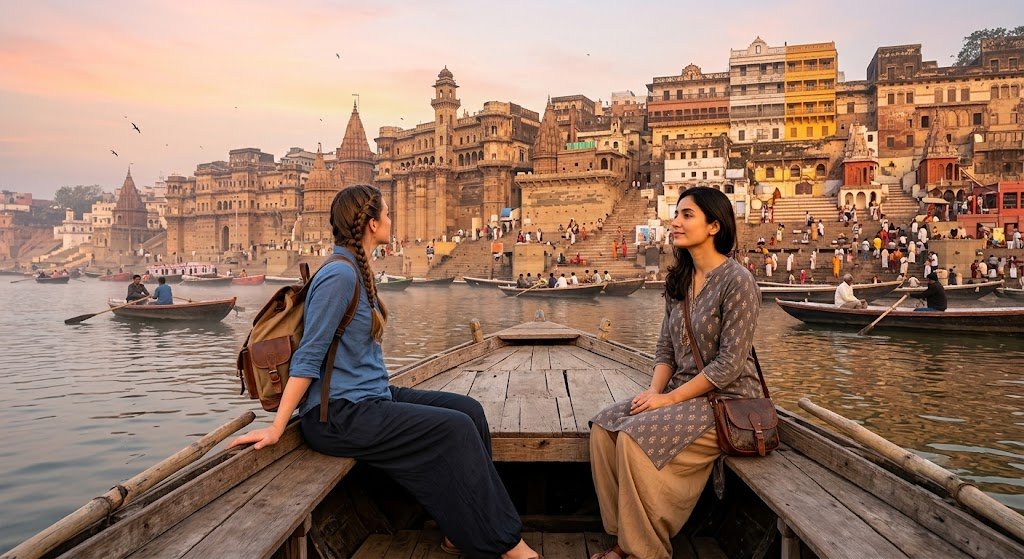
A spiritual journey is not about expecting a particular result or making a dramatic personal change. It is about allowing yourself to experience a destination beyond its popular attractions.
Here are some ways this type of travel can influence your perspective.
A Deeper Understanding of Different Cultures
Visiting sacred places and learning about local customs can help you understand beliefs and traditions different from your own.
Time Away from Everyday Distractions
Spending time in peaceful surroundings, attending meditation sessions, or simply enjoying nature can offer a welcome break from a busy routine.
Greater Appreciation of History and Heritage
Learning the stories behind temples, monasteries, monuments, and religious practices helps you connect with the destination more meaningfully.
Opportunities for Self-Reflection
Quiet moments during travel can give you time to think about your experiences, priorities, and personal interests.
More Meaningful Travel Memories
Conversations with local people, participation in cultural experiences, and visits to historic spiritual sites can create memories that last beyond the journey itself.
Every traveller’s experience is different. The value of a spiritual journey lies in what you learn, discover, and take away from the experience.
Best Time to Plan a Spiritual Journey in India
India has different climatic conditions across its regions, so the best time to visit depends on your chosen destinations and travel activities.
For many popular spiritual destinations in North India, October to March is generally a comfortable period for sightseeing and outdoor exploration.
Here is a general seasonal guide:
October to March – A Popular Travel Season
This period is generally suitable for exploring Varanasi, Bodh Gaya, Sarnath, Haridwar, and other North Indian destinations. Winter mornings can be cold, particularly in Himalayan areas, so suitable clothing is important.
April to June – Warmer Weather
Temperatures can become high in the plains, making sightseeing more demanding during the afternoon. Hill destinations such as Dharamshala may offer a more comfortable alternative, depending on local weather conditions.
July to September – Monsoon Season
Rainfall can affect travel schedules, road conditions, and outdoor activities, particularly in Himalayan regions. However, some destinations have their own seasonal charm during this period.
If you want to experience a particular festival, religious ceremony, or cultural event, plan your trip around its official dates. Festival periods can also bring larger crowds and increased demand for accommodation.
Before travelling, check local weather forecasts, transport conditions, and any destination-specific travel advisories.
Practical Tips for International Travellers Planning a Spiritual Journey in India
If you are planning your first spiritual tour of India, a little preparation can make your experience more comfortable and enjoyable.
1. Choose Destinations Based on Your Interests
Decide whether you are more interested in Buddhist heritage, Hindu pilgrimage sites, yoga, meditation, cultural experiences, or a combination of these.
2. Plan a Realistic Travel Itinerary
India is a large country, and travelling between destinations can take time. Avoid trying to cover too many places in a short period. Allow enough time to explore each destination properly.
3. Understand Local Customs
Many temples, gurudwaras, and religious institutions have specific dress codes and visitor guidelines. Covering your head, removing footwear, or dressing modestly may be required at certain places.
4. Respect Religious Practices
Ask before taking photographs, follow instructions at sacred sites, and avoid interrupting prayer ceremonies. Remember that many religious places are active spaces of worship, not just tourist attractions.
5. Arrange Comfortable Transportation
Consider travel distances, road conditions, and arrival times when planning your journey. A well-organised transport arrangement can make multi-destination tours easier.
6. Check Accommodation and Facilities
Choose accommodation according to your comfort, budget, and location preferences. If you want to stay at an ashram or meditation centre, check its facilities, rules, and programme requirements in advance.
7. Prepare Your Travel Documents
International visitors should check the latest Indian visa requirements, passport validity, and entry conditions applicable to their nationality before travelling.
8. Keep Some Flexibility in Your Schedule
Allow extra time for local ceremonies, weather changes, and unexpected travel delays. A flexible itinerary makes it easier to enjoy the experience without unnecessary pressure.
Plan a Meaningful Spiritual Journey with Dhyanam India Tours
Exploring India’s spiritual destinations can be an enriching experience, but planning a multi-destination journey requires attention to travel routes, accommodation, transportation, local customs, and available time.
This is where having the right travel planning support can make a difference.
At Dhyanam India Tours, the focus is on helping travellers discover India through meaningful journeys that bring together spiritual heritage, cultural experiences, and memorable destinations.
Whether you are interested in exploring the sacred ghats of Varanasi, discovering Buddhist heritage in Bodh Gaya and Sarnath, experiencing yoga and meditation in Rishikesh, or exploring Tibetan traditions in Dharamshala, your journey can be planned around your interests and travel preferences.
With Dhyanam India Tours, you can discuss your preferred destinations, travel duration, and experiences to help plan a journey that suits your expectations.
Your spiritual journey can include:
- Exploring India’s important spiritual and religious destinations.
- Discovering Buddhist pilgrimage sites and historical monasteries.
- Experiencing traditional cultural activities and local heritage.
- Visiting sacred temples, ghats and spiritual centres.
- Planning a North India itinerary around your interests and available time.
Whether you are travelling from Europe, the United Kingdom, the United States, Canada, Australia or another part of the world, India offers experiences that can make your holiday more meaningful.
If you are ready to discover a different side of India, let Dhyanam India Tours help you plan your next journey.
Explore. Experience. Evolve.
Contact Dhyanam India Tours today to explore your travel options and start planning your meaningful spiritual journey through India.
Conclusion: More Than a Holiday, A Journey Within
A spiritual journey in India is an opportunity to experience the country beyond its famous monuments and tourist attractions. From the sacred riverfront of Varanasi and the Buddhist heritage of Bodh Gaya to the yoga traditions of Rishikesh and the peaceful surroundings of Dharamshala, every destination offers something different to discover.
You may return with a better understanding of Indian traditions, a deeper appreciation of cultural diversity, new travel memories, or simply the satisfaction of having experienced something different.
The most meaningful journeys are not always measured by the number of places visited, but by the experiences and connections made along the way.
India welcomes travellers with different interests, backgrounds and beliefs. If you are looking for a journey that combines discovery, culture, spirituality, and exploration, it may be time to experience India in a new way.
Dhyanam India Tours – India and Beyond, A Journey Within.